
1963 · Washington
Signing for Israel
A newsreel from that year shows him, as the embassy’s chargé d’affaires, signing Israel’s accession to the Partial Nuclear Test Ban Treaty.
Watch the film: Signing for IsraelA man. A calling. A nation’s story.
Motke · 1922 — 2016
A life in the service of Israel.
A memory that stays with us.
Diplomat, Director-General of the Foreign Ministry and the Prime Minister’s Office, ambassador and scholar. The story of a man whose path was intertwined with Israel’s own.
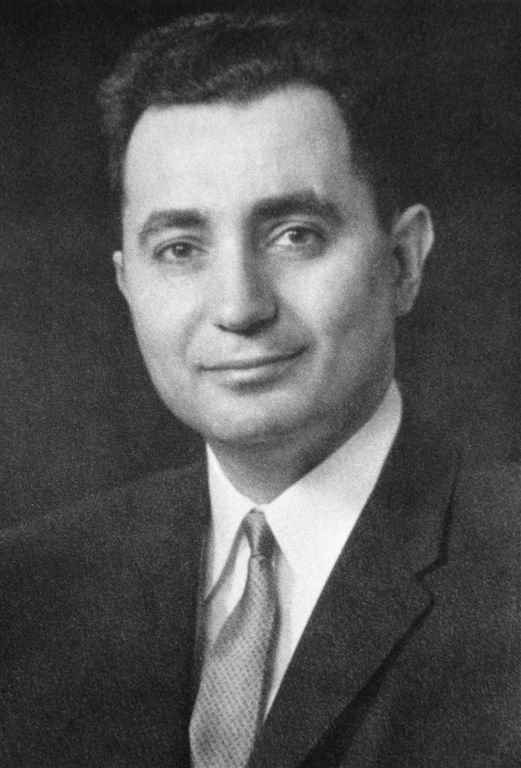
From service in the Haganah, through the rooms where diplomatic talks took place, to the books in which he returned to examine them — Mordechai Gazit helped shape events, then became a witness to and a scholar of them.
The documents preserve his work: clarifying a message during a crisis, revising a draft, taking part in a conversation with world leaders. His writings and testimony also bring us closer to the way he understood his times. This is a story of many years of service, told here through the sources he left behind.[H1][D1][D3]
Three moments that show who he was, without much scrolling.
A short introductionFrom Istanbul in 1922, through the negotiating rooms, to the books. Each chapter leads to the next.
Start with the timeline140 sources, archive guides, and who was who in every chapter.
To the sourcesThe family album, the memories, and an invitation to share a letter, photograph or story.
Family and photographsThe main roles and dates. Each one leads to fuller documentation on the site.
The full timeline, with sourcesEight places, one life. Jerusalem keeps coming back: the city he fought for, worked for and came home to.
At the end of the Yom Kippur War, Golda Meir travelled to Washington for talks. Alongside the Prime Minister, President Nixon and Henry Kissinger, Gazit can also be seen. The records of that day preserve his comments on direct talks and on the wording of the arrangements.[P2][D2]
The stories behind the documents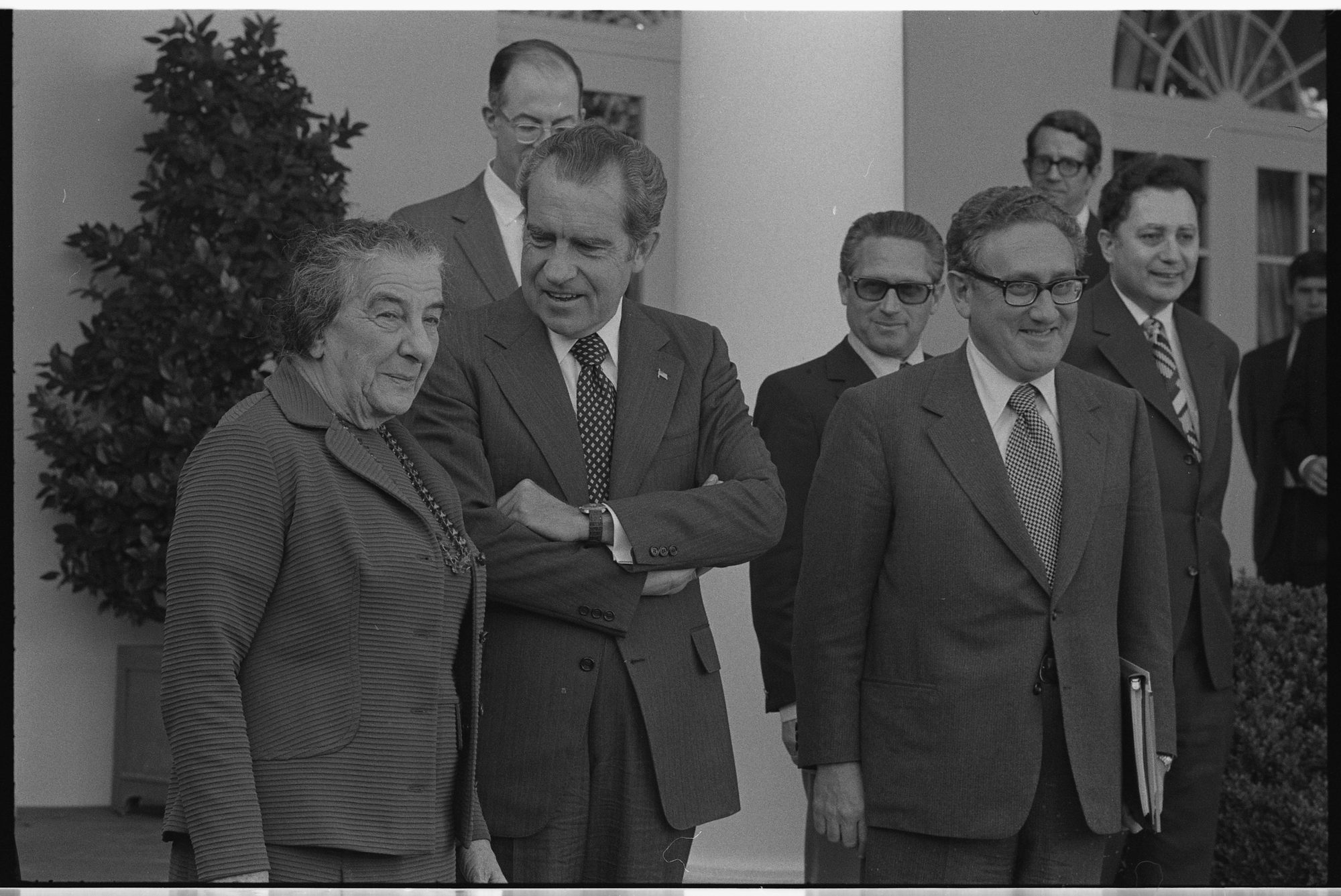
Behind the titles are small scenes, preserved in films, memoranda and interviews.
1963 · Washington
A newsreel from that year shows him, as the embassy’s chargé d’affaires, signing Israel’s accession to the Partial Nuclear Test Ban Treaty.
Watch the film: Signing for Israel1974 · Jerusalem
At a working lunch on disengagement the soup was too hot, so work began — and Gazit kept revising the draft. The memo preserved the jokes, too.
Read the story: Between the hot soup and the next draft1975 · Jerusalem
Egypt’s foreign minister would not let Gazit draft a clause. The reason, as Kissinger told the Israeli team: Gazit was too sensible. The room laughed.
Read the story: “Too sensible”1975 · Geneva
Sadat would not let the talks slip into 1976, and that September’s holidays left few working days. Gazit recalled it years later — with a smile.
On the timeline: Two 24-hour sessionsWe found out we were dealing with a very serious government, bent on a settlement.
Serving the new state rather than minding my own little shop.
You can offer the discipline of political science a different angle as a practitioner rather than a theorist.
Diplomacy by automation.
The 1987 quotation is translated from Hebrew by the site.
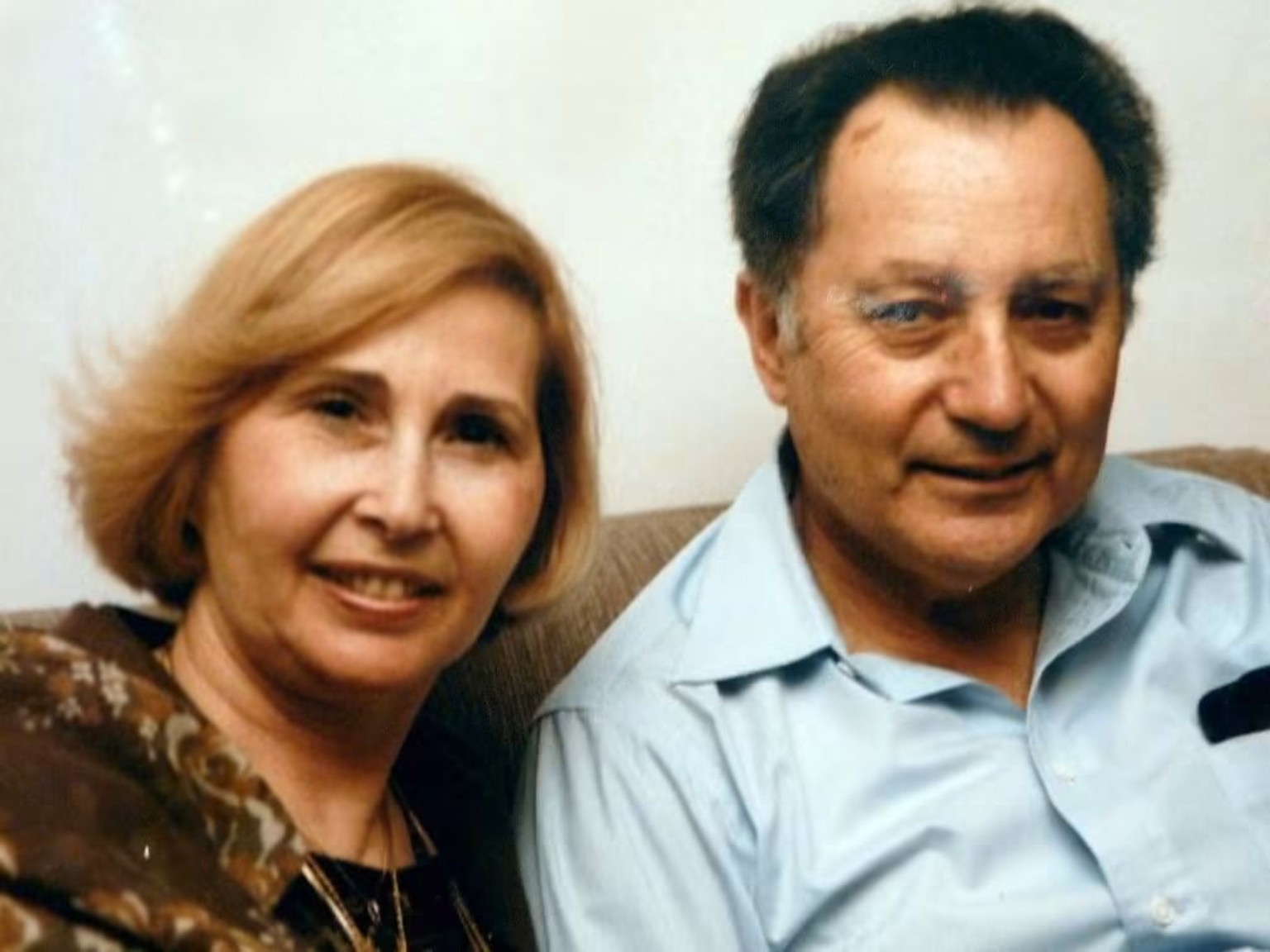
Through his family’s eyes
With Rina, with his siblings, and in the words his grandson wrote in his memory. The family photographs open a window onto the person behind the public roles.
Open the family album“If only he were still here, for one last embrace, with love and appreciation from us all.”Dan-Eyal Gazit, his grandson · From a tribute marking the centenary of his birth, translated from HebrewTo us, Grandpa Motke
Did you know Motke? If you have a memory, a letter or a photograph of him, we would love to hear from you.